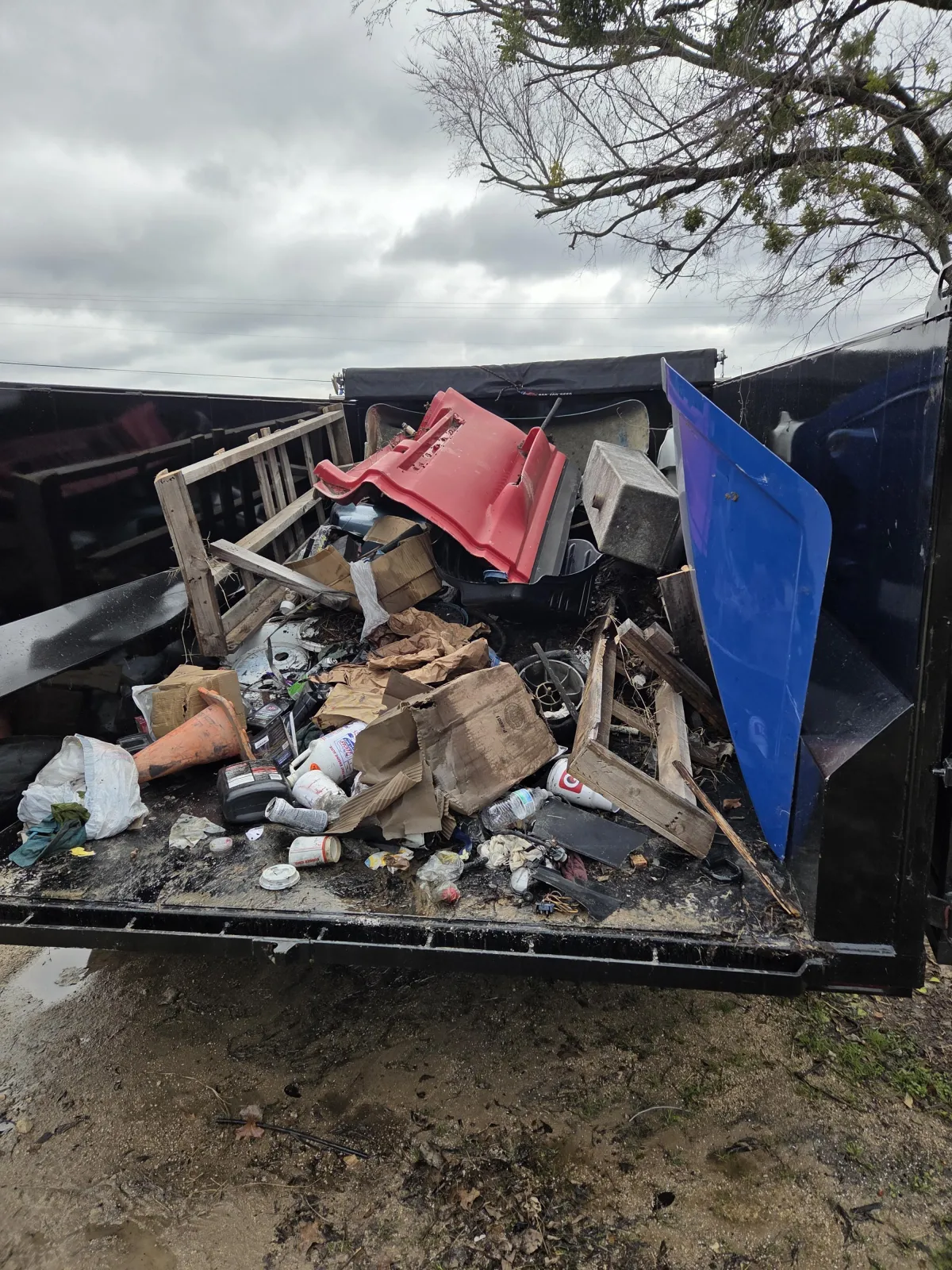
Hazardous waste disposal
How to Dispose of Hazardous Waste Safely (Appliances, Tires, Chemicals & Wet Paint)
Quick Summary
Hazardous waste like appliances, tires, chemicals, and wet paint can’t be disposed of with regular household trash. These items require specific handling due to environmental regulations, safety risks, and landfill restrictions. Proper disposal protects your property, the environment, and prevents fines or rejected pickups. This guide explains safe, legal disposal options and what homeowners should avoid.
Why Hazardous Waste Disposal Is Different
One of the most common misunderstandings I see in junk removal is the assumption that everything can go to the landfill. In reality, many items are restricted because they contain chemicals, refrigerants, oils, or materials that can contaminate soil and water or pose fire risks.
As a business that handles junk removal, dumpster rentals, and light demolition this is one of the most important topics homeowners and some contractors overlook.
Landfills, transfer stations, and disposal facilities all have strict acceptance rules, and violating them can result in:
Rejected loads up to being banned from the facility
Extra disposal fees
Environmental violations
Safety hazards for workers
How to Dispose of Appliances Safely
Appliances are considered hazardous primarily due to refrigerants, oils, and electrical components.
Common Examples
Refrigerators & freezers
Air conditioners
Washers & dryers
Dishwashers
Proper Disposal Method
Refrigerant must be professionally evacuated
Metal components are typically recycled
Units should never be crushed or dismantled on-site
From my experience: appliances almost always go to a licensed recycler or scrap yard, not directly to the landfill. This is why junk removal service often costs more than people expect, it’s not as simple as just “hauling junk.”
Tire Disposal: Why You Can’t Just Throw Them Away
So why is there a big issue with tires being disposed of properly. Tires have special disposal requirements and are banned from most landfills because they:
Trap flammable methane gas in the layers of the landfill
Float to the surface and churn up the layers
Create additional fire hazards
Collect standing water (mosquito risk)
Safe Disposal Options
Tire recycling facilities and tire shops accept them, typically for a disposal fee
Authorized transfer stations and landfill designated drop off points
Scrap processors that accept rubber
A common mistake I see is customers stacking tires with general junk or trying to hide them in the bottom of the bin, only to have their entire load rejected. Tires must be segregated and handled separately.
Chemical Waste & Household Hazards
This includes:
Cleaning chemicals
Automotive fluids
Pesticides & herbicides
Pool chemicals
Solvents & adhesives
What to Do Instead
Use city or county hazardous waste drop-off events
Never pour chemicals down drains or onto soil
Keep original containers when possible
Important: Even small quantities can disqualify an entire load at disposal facilities.
How to Handle Wet Paint
Wet paint is one of the most misunderstood disposal items.
Why Wet Paint Is considered hazardous
Liquid paint often leaks and can damage equipment, city roadways and personal vehicles.
Contains chemicals that contaminate landfills
Considered hazardous waste in liquid form
Safe Method: Paint Hardener or Kitty Litter Absorption
If the paint is latex or other water-based paint:
Leave the lid off the paint can
Add non-clumping kitty litter
Stir until the paint thickens and solidifies
Let it fully dry
Once solid, the can may be disposed of as regular trash (check local rules)
⚠️ Oil-based paint is never safe for this method and must be taken to a hazardous waste facility.
Mistakes That Cost Homeowners Time & Money
Two of the biggest mistakes people make is guessing what’s hazardous and trying to hide known restricted items within the load. This often results in:
Rejected pickups
Additional handling fees
Multiple trips to disposal facilities
In many cases, it’s better to identify potential hazards and let a professional guide the process rather than trying to separate everything yourself.
How We Approach Hazardous Waste Decisions
When evaluating items for disposal, we look at:
Condition of the item
Presence of liquids or chemicals
Whether materials are recyclable
Safety risks requiring PPE or special handling
Metal items are typically taken to the scrap yard, reusable items are donated when possible, and only approved materials go to the landfill.
Because I’m OSHA-30 certified and have a background in project management, safety and compliance aren’t optional, they’re built into how jobs are planned and executed.
Key Takeaways
Appliances require special handling due to refrigerants and oils
Tires cannot go to landfills and must be recycled
Chemicals should only go to approved hazardous waste facilities
Wet latex paint can be solidified with paint hardener, kitty litter, newspaper, or sawdust before disposal
Oil-based paint must always be handled as hazardous waste and taken to a hazardous waste facility.
Mixing hazardous items with junk can cause rejected loads, higher costs, and poses a safety hazard to waste management staff.
Professional guidance often saves time, money, and stress


